Swimming Pool Water Jets: Unlocking Better Swimming Resistance Training
Every fitness enthusiast who has tried to build strength and endurance through swimming knows the frustration: limited pool space, monotonous laps, and the inability to control workout intensity the way you can with land-based training. Traditional swim training often leaves athletes plateauing, unable to push past familiar resistance levels without traveling to open water or competing for lane space. Swimming pool water jets are changing that equation entirely. By generating powerful, adjustable currents directly in your pool, this swimming technology transforms any space into a dynamic training environment where you swim against precisely calibrated resistance. Whether you’re looking to build explosive power, improve cardiovascular conditioning, or refine your stroke technique, water jets deliver a swim training experience that adapts to your goals rather than forcing you to adapt to your environment. This article explores how fitness enthusiasts can harness water jet systems to unlock more effective resistance training, achieve measurable results, and elevate their overall swimming experience through enhanced technology and practical solutions.
The Fundamentals of Swimming Pool Water Jets
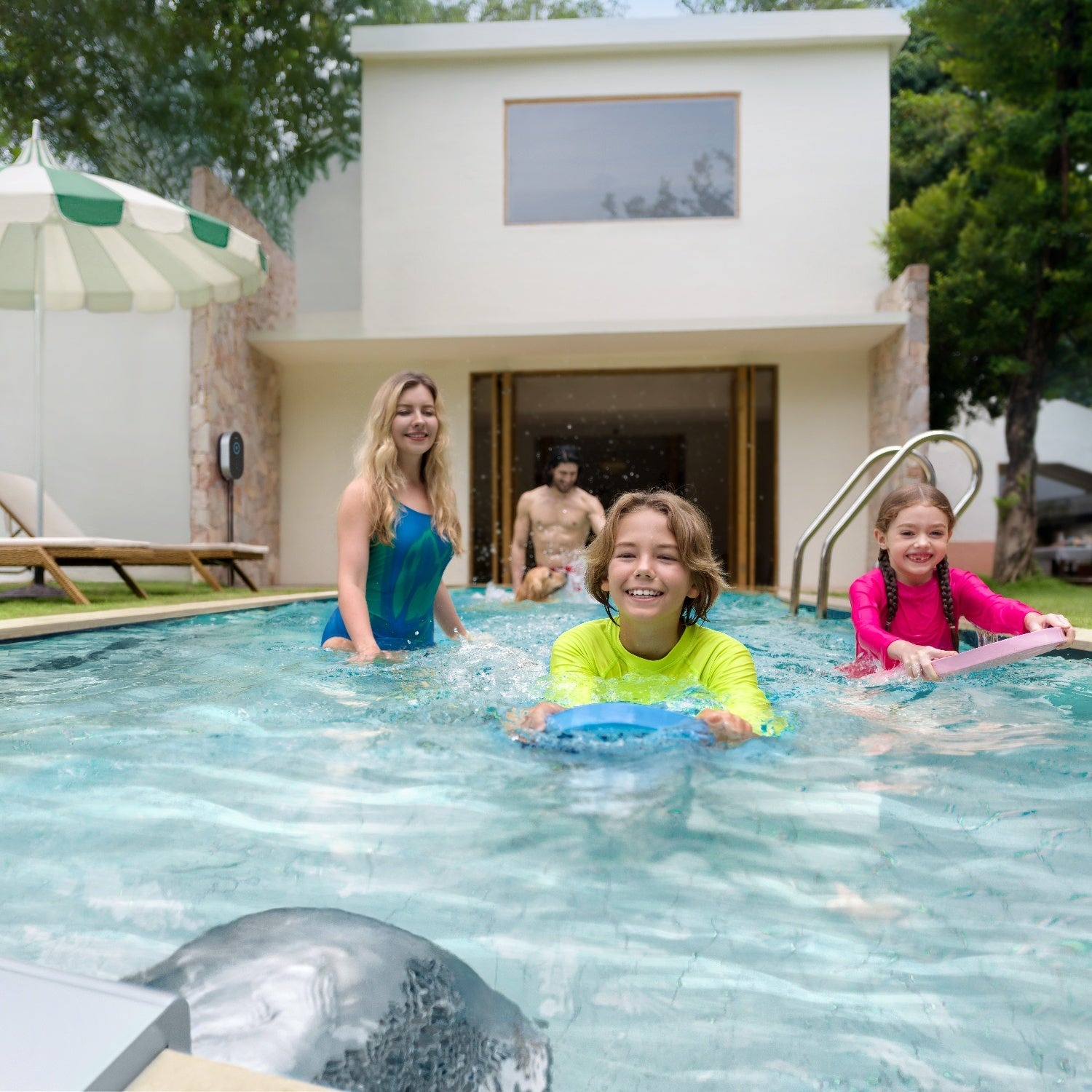
Swimming pool water jets are engineered systems that propel water at controlled velocities, creating a continuous current you swim against while remaining stationary in your pool. At their core, these systems use powerful pumps to draw water in and force it through precisely angled nozzles, generating a smooth, laminar flow that simulates the experience of swimming through moving water. This swimming technology comes in several configurations. Wall-mounted units install flush against one end of your pool and project a wide current stream, ideal for full-body resistance work. Swim-in-place systems, sometimes called swim spas, integrate jets directly into a compact pool design built specifically for swim training. Retrofit jet kits offer a middle ground, allowing you to add current-generating capability to an existing pool without major construction. The width, depth, and turbulence of the current vary by system design, with higher-end units producing broader, more uniform flows that feel natural rather than choppy. Understanding these fundamentals matters because the quality and adjustability of the current directly determines how effectively you can use water jets for structured resistance training, turning a simple backyard pool into a serious fitness tool.
How Water Jets Enhance Swimming Resistance
Water naturally provides roughly twelve times more resistance than air, which is why swimming builds strength so effectively. However, in a still pool, that resistance remains constant and predictable—your body adapts quickly, and progress stalls. Swimming pool water jets fundamentally alter this dynamic by introducing a controllable opposing force that you must work against continuously, much like adjusting the incline on a treadmill or adding weight to a barbell.
The science is straightforward: as water flows toward you at a set velocity, your body must generate enough propulsive force to match or exceed that current just to maintain position. Increase the jet speed, and your muscles recruit more fibers, your cardiovascular system works harder, and your stroke mechanics face greater demands. This adjustable swimming resistance means you can fine-tune intensity from a gentle recovery pace to a near-maximal sprint effort without ever touching a wall or flipping for another lap.
Compared to open swim conditions—where currents shift unpredictably with wind, tide, and temperature—water jets deliver consistent, repeatable resistance. This consistency is actually an advantage for structured training because it allows you to isolate specific energy systems and track genuine improvements over time. Yet the sensation closely mimics real-world swimming challenges: fighting a river current, navigating ocean chop, or powering through a competitive draft. Your neuromuscular system learns to sustain force output against continuous opposition, building both the raw strength and the muscular endurance that translate directly to faster open water performances and more powerful strokes in any environment.
Key Benefits for Fitness Enthusiasts
For fitness enthusiasts seeking measurable gains, swimming pool water jets deliver advantages that extend far beyond convenience. The cardiovascular benefits alone are compelling—swimming against a constant current elevates heart rate into targeted training zones more reliably than traditional laps, where gliding and wall turns create intermittent recovery periods that dilute overall intensity. With jets, every second in the water demands sustained effort, making a twenty-minute session deliver the cardiovascular stimulus of a much longer workout.
Muscle toning and balanced development happen naturally when you train against calibrated resistance. Unlike weight machines that isolate individual muscle groups, swimming against a current engages your entire kinetic chain simultaneously—shoulders, core, hips, and legs all fire in coordinated patterns that build functional strength without the joint stress associated with high-impact land exercises. This makes water jet training particularly valuable for injury prevention and rehabilitation, as the buoyancy of water reduces compressive forces on joints while the current demands muscular engagement that stabilizes vulnerable areas like the rotator cuff and lower back.
The versatility of adjustable jet systems means beginners can start with gentle currents that encourage proper form development, while advanced swimmers can dial up resistance to simulate race-pace conditions or open water challenges. Intermediate athletes benefit from progressive overload protocols that would be impossible in a static pool. Perhaps most practically, water jets eliminate the barriers of weather, facility access, and crowded lane sharing. Year-round training becomes possible in your own space, on your own schedule, with intensity that matches your evolving fitness level rather than limiting it.

A Practical Guide to Swim Training with Water Jets
Knowing the benefits of swimming pool water jets is one thing—actually building an effective training program around them requires a structured approach. The following guide walks you through setup, drill progression, and performance optimization so you can extract maximum value from your water jet system and see tangible improvements in strength, endurance, and technique.
Step 1: Setting Up Your Water Jet System
Before your first training session, take time to configure your system properly. Begin by identifying your primary fitness goals—whether that’s building raw power, improving aerobic capacity, refining stroke mechanics, or some combination. Your goals dictate initial jet intensity: endurance-focused swimmers should start at a moderate flow that allows continuous swimming for ten or more minutes, while power-oriented athletes may prefer shorter bursts at higher velocities. Position yourself centrally in the current stream, ensuring the flow hits your body evenly rather than pushing you to one side. Most systems allow nozzle angle adjustments; aim the current slightly downward toward chest level to simulate natural swimming resistance without lifting your legs unnaturally. Run through a safety checklist before every session: confirm the emergency shutoff is accessible, check that the pool area is clear of loose objects that could be pulled toward intake vents, and verify that jet housings are secure. If your system offers remote control or app-based adjustment—smart home platforms like iGarden can help integrate pool equipment controls alongside other outdoor automation—familiarize yourself with speed increments so you can modify intensity mid-workout without stopping.
Step 2: Beginner to Advanced Training Drills
Start every session with a five-minute warm-up at the lowest jet setting, swimming easy freestyle or backstroke to elevate your heart rate gradually and loosen your joints. For beginners, the foundation drill is sustained position holding: set the jet to a pace where you can maintain your spot with consistent effort for two-minute intervals, resting thirty seconds between sets. Focus entirely on smooth, efficient strokes rather than fighting the current with brute force. As your comfort grows, introduce sprint intervals—increase jet speed by one or two increments and swim at maximum effort for twenty to thirty seconds, then reduce the current and recover for a full minute. Repeat six to eight times. Intermediate swimmers benefit from technique-focused sets where you swim single-arm drills or catch-up stroke against moderate resistance, forcing your body to generate propulsion from precise mechanics rather than compensating with speed. Advanced athletes can layer complexity by combining high jet velocities with equipment like paddles or drag suits, performing sets that mimic race-pace open water conditions. Kick-only sets against the current build tremendous leg power, while pull-only work with a buoy isolates upper body strength. Vary your training across the week: two sessions focused on endurance at moderate resistance, one dedicated to high-intensity intervals, and one emphasizing technique at lower speeds.
Step 3: Monitoring and Optimizing Your Workouts
Consistent improvement requires data. Use a waterproof heart rate monitor to ensure you’re training in the correct zones—staying between seventy and eighty percent of maximum heart rate for endurance work, and pushing above eighty-five percent during interval sets. Since you’re swimming in place, traditional lap times don’t apply, but you can track stroke rate using a tempo trainer or smartwatch with swim metrics. Record the jet speed setting, session duration, and perceived exertion after every workout in a simple training log. Over weeks, patterns emerge: if a setting that once felt challenging now feels manageable at the same heart rate, it’s time to increase resistance. Adjust jet intensity in small increments—jumping too aggressively leads to form breakdown and potential strain. Every four to six weeks, perform a benchmark test: set the jet to a standardized speed and measure how long you can maintain position with good technique. Comparing these results over months gives you concrete evidence of fitness gains. Finally, listen to your body. If stroke mechanics deteriorate or shoulder discomfort appears, reduce intensity and prioritize recovery sessions at low current speeds, using the gentle resistance for active rehabilitation rather than pushing through fatigue.
Transform Your Swim Training with Water Jet Resistance Technology
Swimming pool water jets represent a fundamental shift in how fitness enthusiasts approach resistance training in the water. By delivering adjustable, consistent currents that challenge every energy system and muscle group simultaneously, this swimming technology eliminates the limitations that have long held swimmers back—space constraints, unpredictable conditions, and the inability to precisely control workout intensity. The practical benefits are clear: enhanced cardiovascular conditioning, balanced muscle development, reduced joint stress, and the freedom to train year-round on your own terms. Implementing a structured approach—starting with proper system setup, progressing through targeted drills, and consistently monitoring performance—ensures that every session builds toward measurable improvement rather than repetitive stagnation. For those committed to long-term health and athletic development, water jets offer a training environment that grows with you, scaling from gentle rehabilitation currents to race-simulation intensities as your fitness evolves. As swimming technology continues advancing with smarter controls, broader current profiles, and deeper integration with performance tracking tools, the gap between backyard training and elite-level preparation will only narrow. Now is the time to explore what water jets can do for your swim training and discover a more effective path to your fitness goals.